





Lesson 1 – Introduction to Fire Safety
Fire safety is one of the most important aspects of health and safety in any workplace. A fire can start in just seconds and spread rapidly, creating heat, smoke, and toxic fumes that can endanger everyone nearby. This lesson explains what fire is, why fire safety matters, and what laws and responsibilities apply to all of us.
What Is Fire?
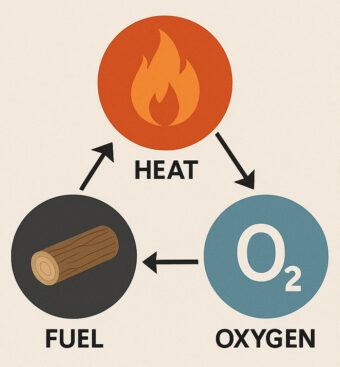
Fire is a chemical reaction called combustion. It occurs when three things are present together — heat, fuel, and oxygen. These three elements form what is known as the Fire Triangle.
-
Heat is the energy source that starts the fire.
-
Fuel is anything that can burn, such as paper, cloth, or chemicals.
-
Oxygen is found in the air and helps the fire keep burning.
If you remove any one of these three elements, the fire will go out. This is why most fire prevention focuses on controlling heat sources, safely storing fuels, and managing ventilation.
The Dangers of Smoke and Toxic Fumes
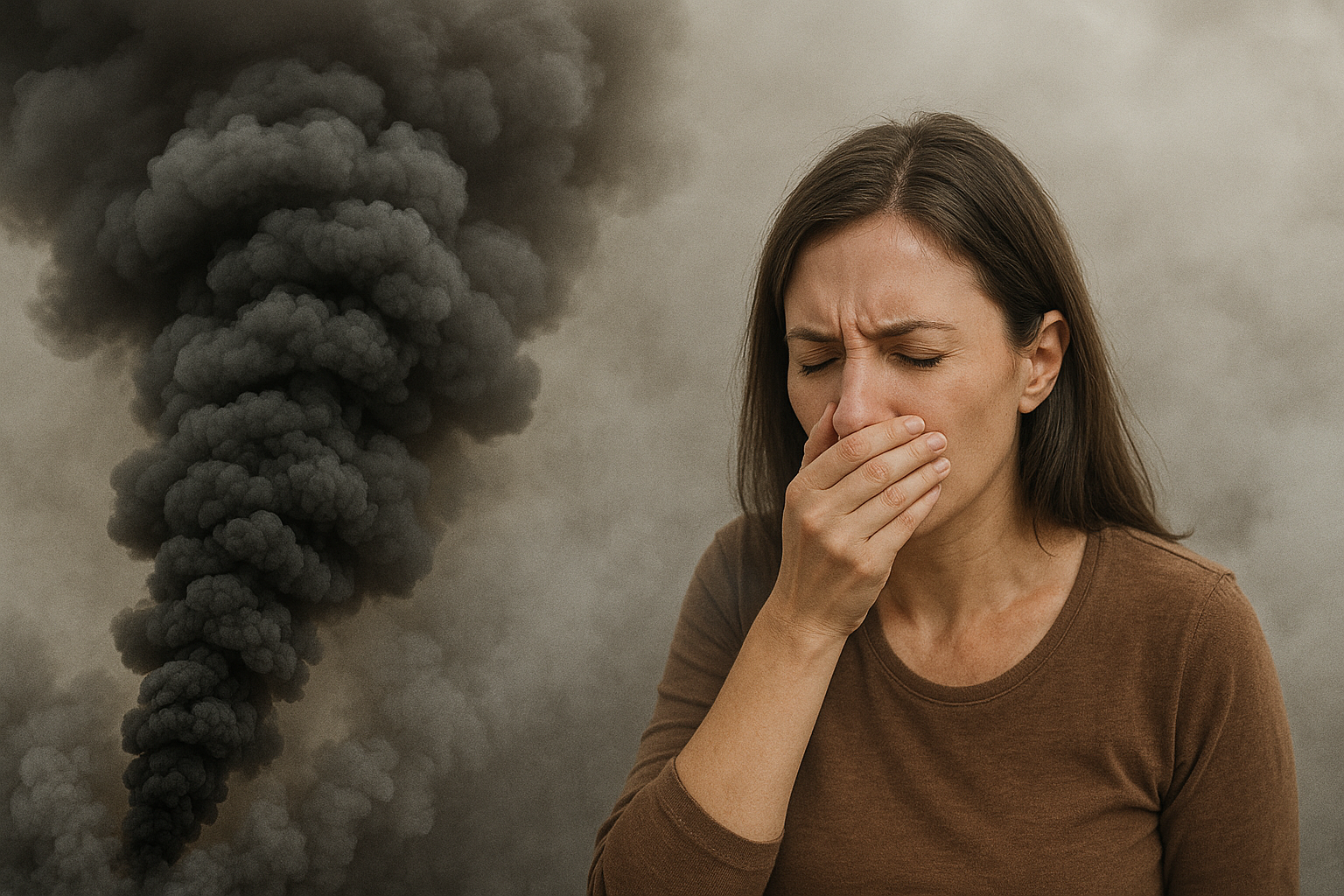
Many people assume that the flames themselves are the most dangerous part of a fire — but that’s not always true. Smoke and toxic fumes cause most fire-related injuries and deaths.
Smoke reduces visibility, making it difficult to find exits, and it carries harmful gases such as carbon monoxide and hydrogen cyanide. These gases can cause dizziness, confusion, or unconsciousness within seconds.
In enclosed spaces like hospitals, offices, or care homes, smoke can travel quickly through corridors and ventilation systems, making it essential to act fast if you see or smell smoke.
Why Fire Safety Matters
Fire safety isn’t just about following rules — it’s about protecting lives. Every year, workplace fires cause injuries, property damage, and sometimes fatalities that could have been prevented with simple precautions.
By understanding how fires start and how to respond correctly, you can help reduce risks and ensure that everyone in your workplace stays safe. Fire safety training gives you the knowledge and confidence to react quickly and correctly in an emergency.
Remember: fire safety is everyone’s responsibility.
Legal Responsibilities
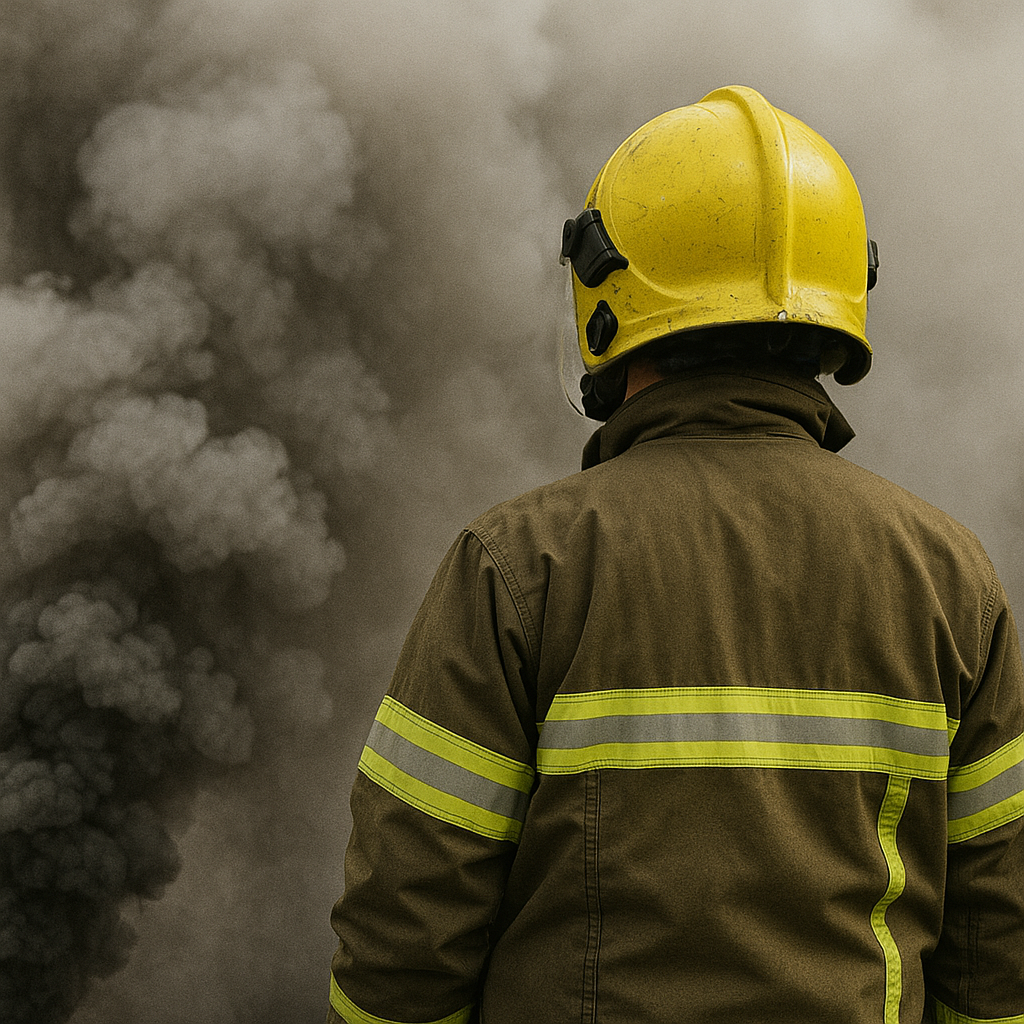
Fire safety laws exist to make sure every workplace is safe. In the UK, several key pieces of legislation define what employers and employees must do:
-
Health and Safety at Work Act (1974)
This law requires employers to protect the health, safety, and welfare of employees and visitors. It also requires employees to take reasonable care of their own safety and that of others. -
Regulatory Reform (Fire Safety) Order (2005)
This law states that workplaces must carry out regular fire risk assessments to identify potential hazards, and ensure that safety measures — such as alarms, extinguishers, and escape routes — are in place and maintained. -
NHS Fire Code and Trust Fire Policy (for healthcare settings)
These provide additional guidance for hospitals and care environments, where patient evacuation and compartmentation (separating areas of the building) are critical.
Failure to comply with these regulations can lead to fines, legal action, and — most importantly — unnecessary harm to people.
Duty of Care
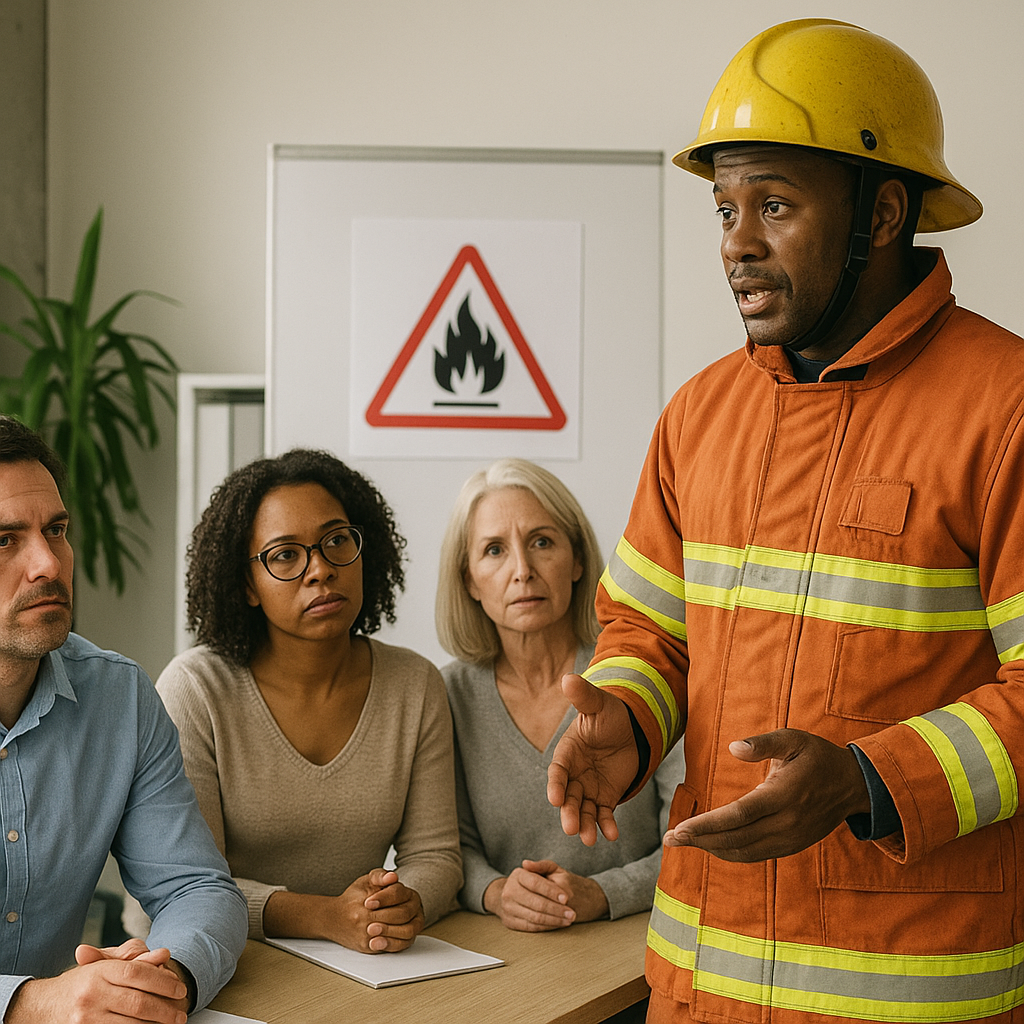
Both employers and employees have a duty of care when it comes to fire safety:
-
Employers must ensure that buildings are safe, that alarms and extinguishers are maintained, and that staff receive training.
-
Employees must act responsibly, report hazards, and never do anything that could increase the risk of fire — for example, blocking a fire exit or ignoring a faulty piece of equipment.
A safe workplace depends on everyone playing their part.

Why Training Is Essential
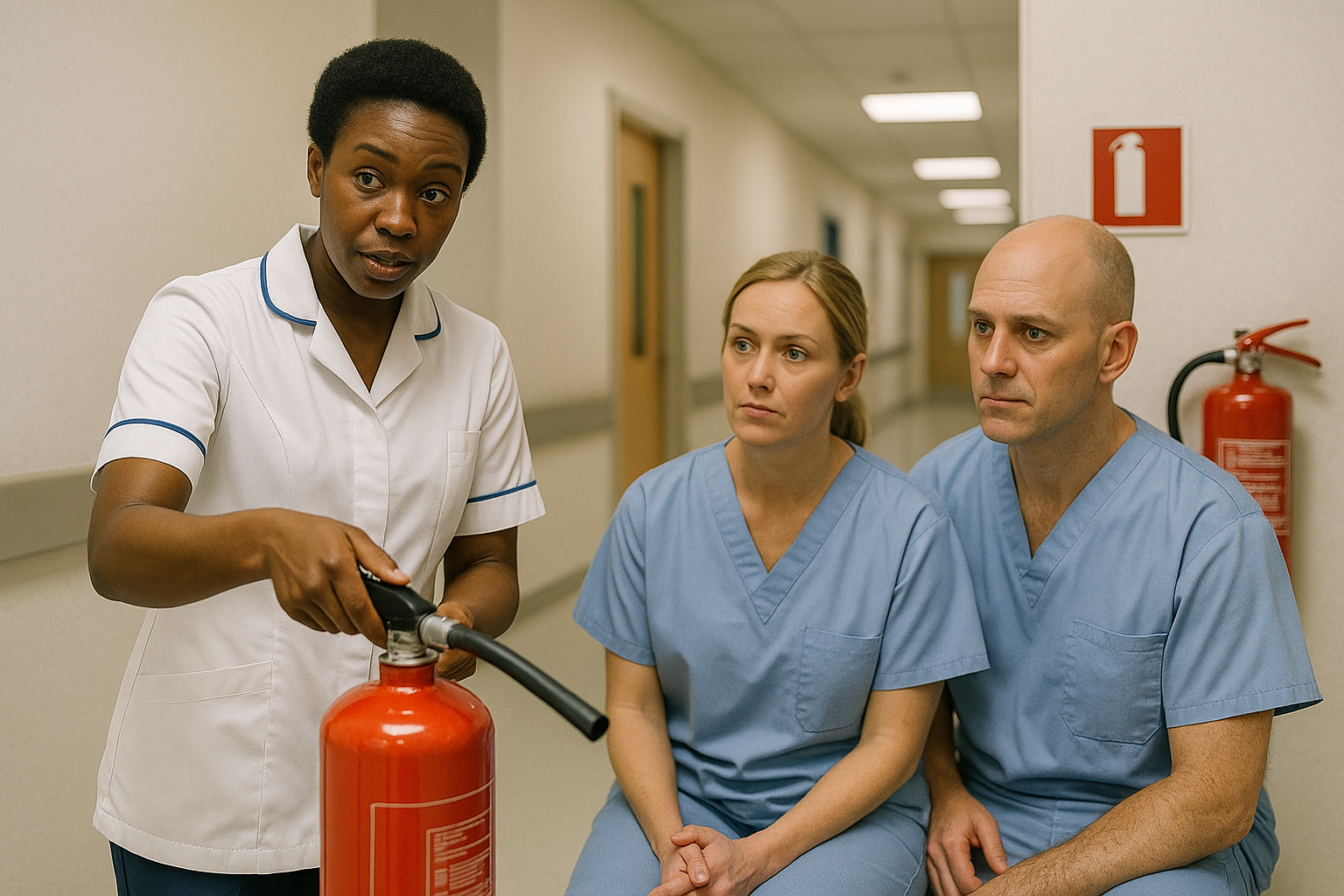
Fire safety training is not optional — it’s a statutory requirement. That means every member of staff must complete fire safety training at least once a year.
Training ensures that you know:
-
How to identify hazards and prevent fires,
-
How to react quickly if a fire breaks out,
-
And how to help others, including patients or visitors, stay safe.
Fire risks change over time — new equipment, new layouts, or new chemicals can all introduce new dangers. Regular updates keep your knowledge current and your response effective.
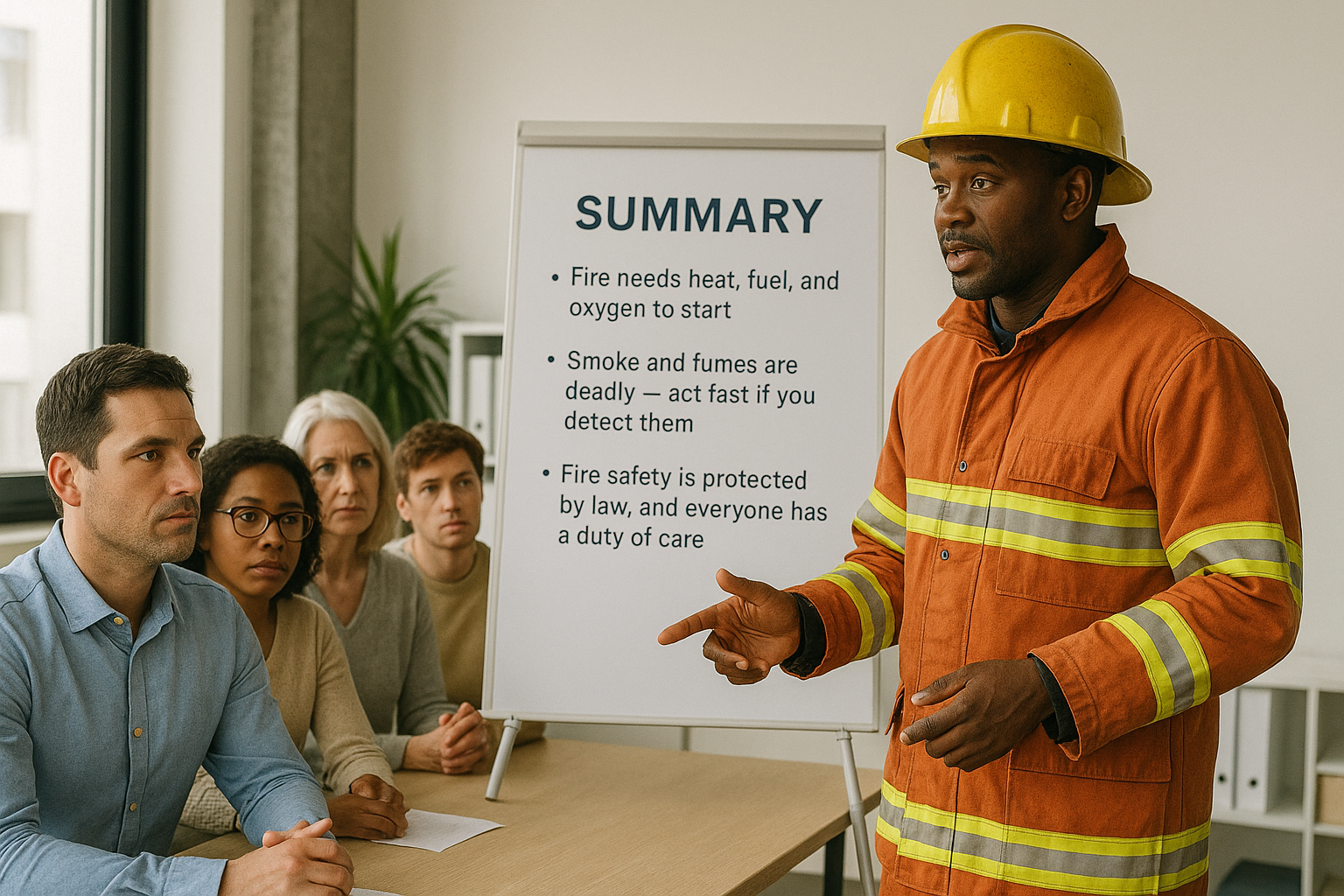
Summary
Fire safety begins with awareness. When you understand how fires start and how quickly they can spread, you start to see the importance of preparation and prevention.
To recap:
-
Fire needs heat, fuel, and oxygen to start.
-
Smoke and fumes are deadly — act fast if you detect them.
-
Fire safety is protected by law, and everyone has a duty of care.
-
Regular training keeps everyone prepared and confident.
In the next lesson, we’ll explore Fire Prevention — how to identify hazards and take action before a fire ever has the chance to start.