






Lesson 2 – Fire Prevention Basics
Fire prevention is the most effective way to protect lives, property, and the workplace environment. Instead of waiting to react to a fire, our goal is to stop one from happening in the first place. Most fires can be prevented with good awareness, safe habits, and proper maintenance of equipment and surroundings.
Understanding Fire Hazards
A fire hazard is anything that could start a fire or make it spread more easily. Fires usually begin because of carelessness, poor storage, faulty equipment, or unsafe behavior. Recognizing and controlling these hazards is the first step toward fire prevention.
Common workplace fire hazards include:
-
Smoking materials such as cigarettes or lighters.
Even with strict No Smoking policies, discarded cigarette ends or hidden smoking areas are common causes of fires — especially near oxygen or flammable materials. Always follow the designated smoking rules. -
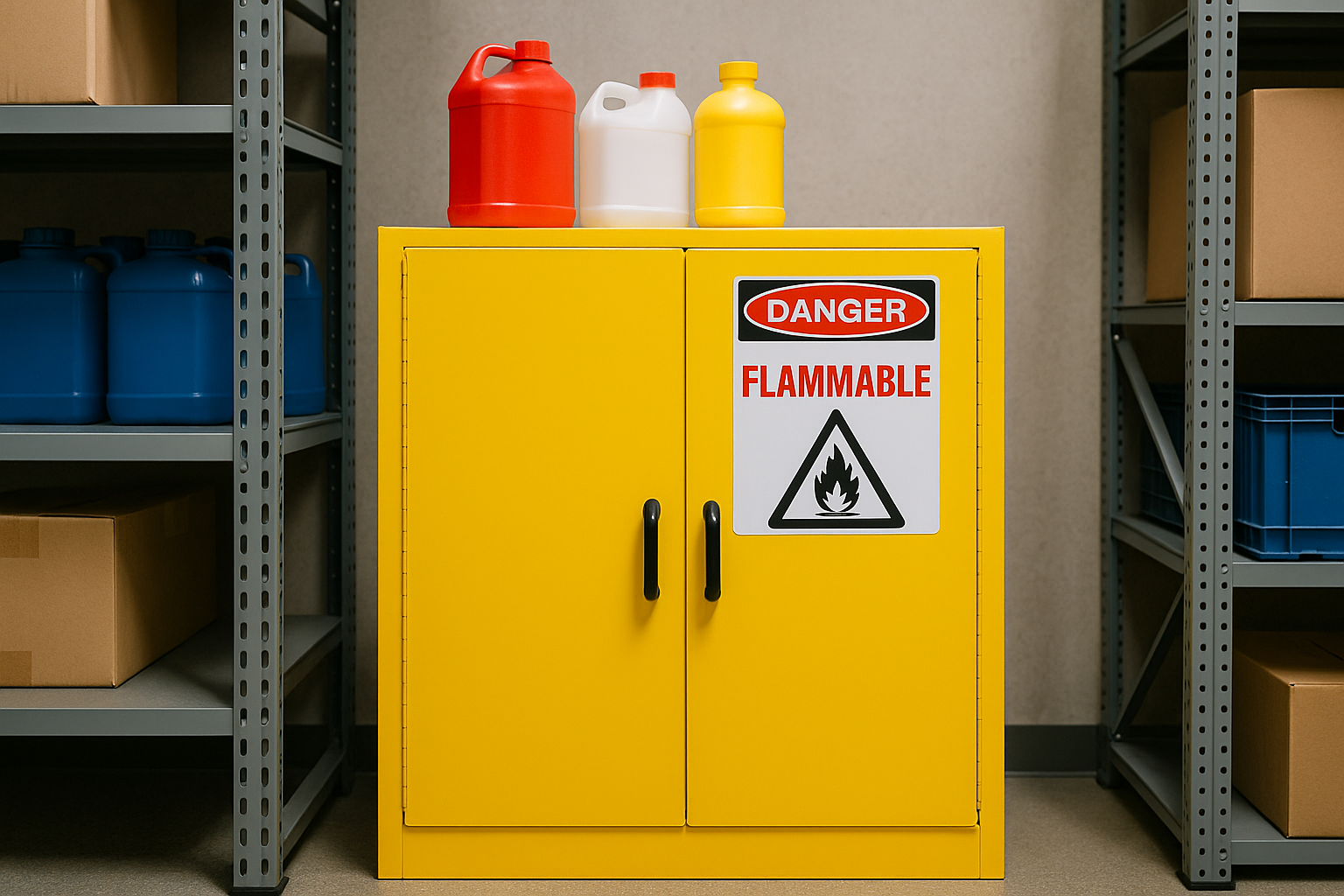
Flammable liquids, gases, and chemicals.
Many everyday substances — from cleaning products to medical alcohol gel — are highly flammable. Always check the labels, store them in clearly marked containers, and keep them away from heat or direct sunlight. -
Medical oxygen.
Oxygen itself doesn’t burn, but it supports and accelerates combustion. Never smoke, use open flames, or operate sparking equipment near oxygen tanks or outlets. Only trained medical staff should handle or turn off medical gas supplies. -
Electrical equipment.
Damaged cables, overloaded sockets, or faulty appliances can easily ignite fires. If you notice unusual sounds, burning smells, or overheating, turn the equipment off immediately and report it. All portable equipment should be PAT tested (Portable Appliance Testing) regularly. -
Arson (deliberate fires).
Sadly, intentional fires do happen, particularly in healthcare and public environments. Arsonists often target unsecured areas or use combustible rubbish. Keep external doors locked, bins away from buildings, and report suspicious behavior at once.
Good Housekeeping and Daily Safety Habits
Keeping your workplace clean and organized plays a major role in fire prevention.
Some simple daily habits include:
-
Keep corridors, exits, and fire doors clear at all times.
-
Dispose of waste materials regularly and properly — don’t let rubbish pile up.
-
Avoid using extension leads or daisy-chaining plugs.
-
Store flammable materials in approved, ventilated cabinets.
-
Never wedge open fire doors. They are designed to stop fire and smoke from spreading.
A tidy, well-maintained environment makes it easier to spot hazards before they become dangerous.